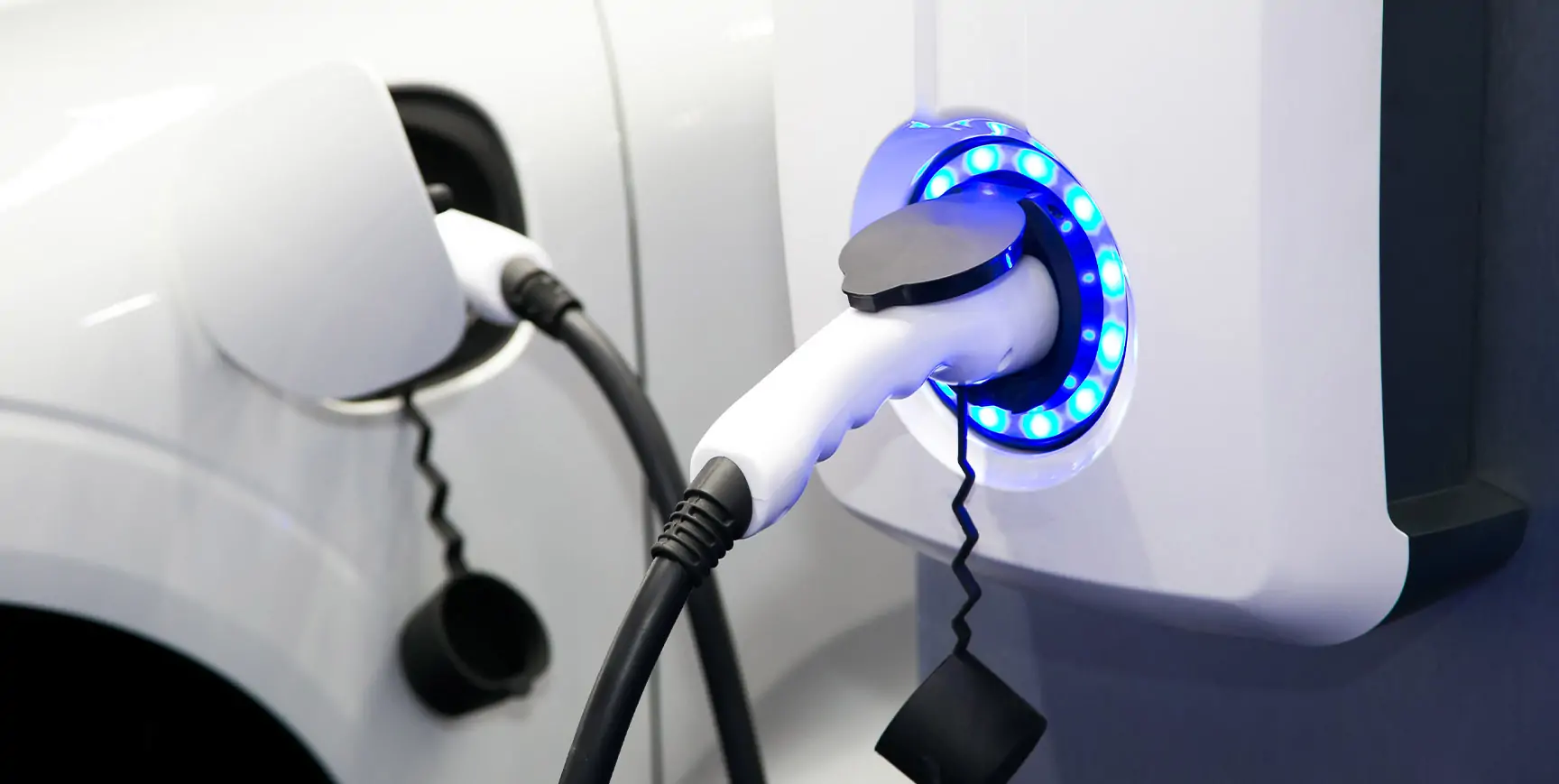
Image of an electric car charging

Our joint venture investment is helping to grow India’s sustainable electric vehicle market while creating green jobs for women.

India’s transport sector is a major contributor to the country’s greenhouse gas emissions and urban air pollution. It’s not surprising, therefore, that India’s Government has set ambitious clean energy targets, such as 30 per cent electric vehicle (EV) market penetration by 2030. However, India’s EV market is still in its early stages, representing just 3.1 per cent of sports utility vehicle (SUVs) sold in 2024-25.

In 2022, we partnered with Mahindra Group and committed up to $250 million in a new EV venture. Mahindra Electric Automobile Limited is developing four-wheel passenger EVs for Indian consumers and other markets around the world. It will contribute towards 2.1 million tonnes of CO2 equivalent emission avoidance. Together, we have attracted a further $230 million of investment from like-minded investors. As a result, Mahindra EVs are now being manufactured and driven in various cities across India.

Our investment has also supported green jobs for women. As part of our investment, Mahindra’s EV entity is committed to improving female representation in the workforce and at board level. The company is currently meeting all its 2X targets, including employing 29 per cent women in its shopfloor operations and assembly lines. To date the company has created over 2,000 jobs, of which 600 employ women.

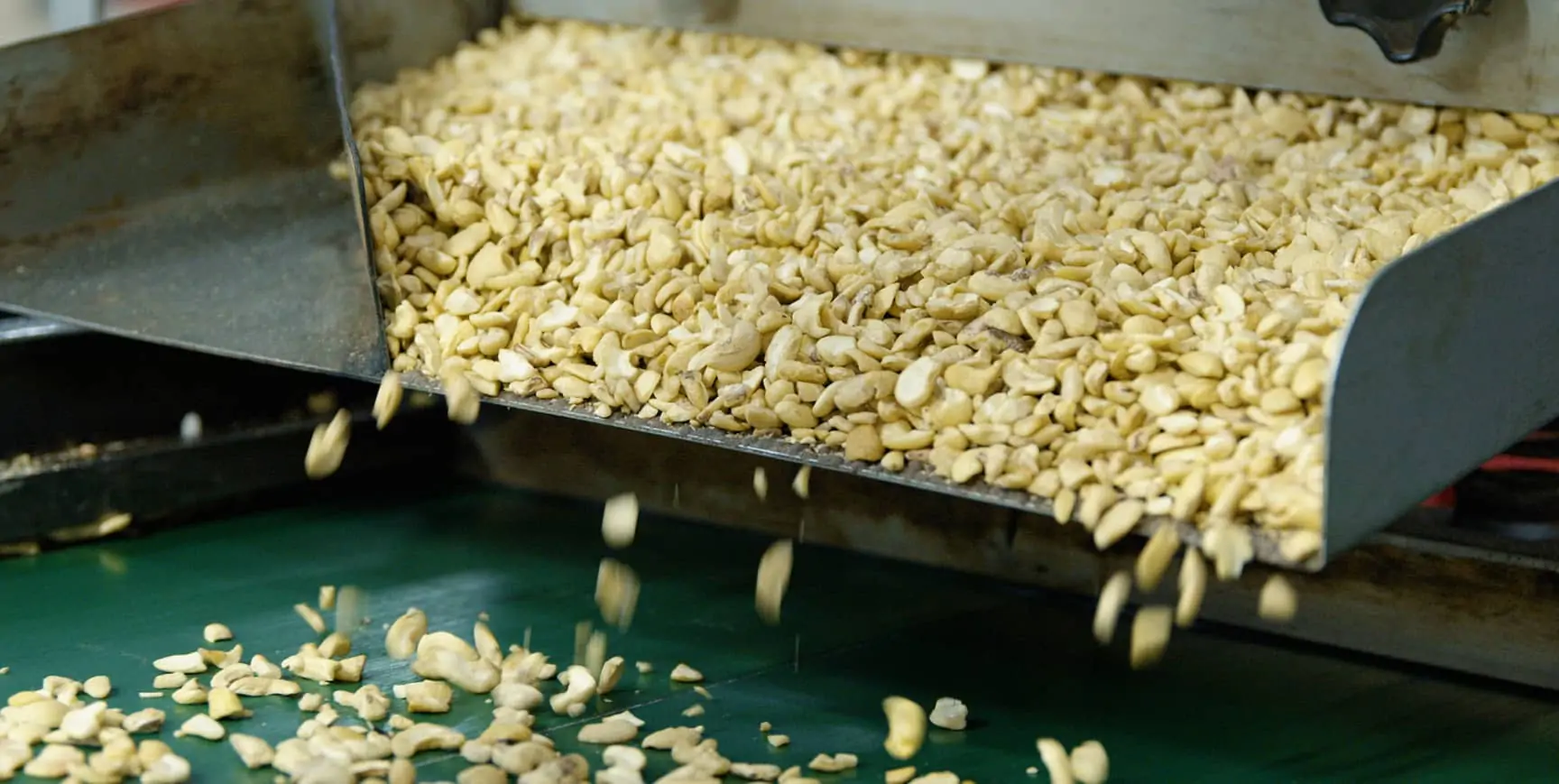
Image of the Sierra Leone skyline in the afternoon

Our £19 million risk-sharing deal with Ecobank is supporting job creation and private sector growth across Sierra Leone’s key industries.


Sierra Leone’s economy is hampered by a depreciating currency driven by high inflation, a large trade deficit from heavy reliance on imports, and underinvestment in infrastructure and services. The private sector plays a key role in Sierra Leone’s economy, and small and medium-sized enterprises (SMEs) employ about 70 per cent of the population. However, many SMEs struggle to gain access to capital due to a lack of suitable financial products, high collateral requirements, high interest rates and reliance on short-term loans.

In 2024, we announced a £19 million risk-sharing arrangement with Ecobank Sierra Leone to boost private sector growth in high-impact sectors. This was the first investment made by the Africa Resilience Investment Accelerator (ARIA), which we set up to unlock investment opportunities in frontier economies in Africa and encourage investment from DFIs. It also builds on £36 million of lending agreed between BII and Ecobank in 2021, which helped the bank support companies in frontier markets such as Burkina Faso, Chad and Togo.

The arrangement, which includes a comprehensive technical assistance programme supported by BII Plus, will help Ecobank offer more local currency loans to growing businesses in critical sectors such as renewable energy, agriculture, agro-processing, infrastructure and manufacturing. This is expected to boost business growth, create more jobs and increase private sector support for Sierra Leone’s economy. Our technical assistance will also help to enhance the bank’s environmental and social due diligence.

Image of nuts falling onto a conveyor belt

Our investment in Valency is adding value to the nut processing industry in Nigeria and Côte d’Ivoire.

Agriculture is a key contributor to West Africa’s economy, but the region’s food processing and manufacturing capacity remains underdeveloped.

We made an initial £12.3 million investment in 2023 to fund Valency’s expansion in Nigeria. And we followed up in 2024 with a further £11.6 million commitment to accelerate the company’s expansion into Côte d’Ivoire. Our second investment will go towards a new cashew processing plant and biochar facility to root more of the value chain in the country. It will also allow Valency to offer a more traceable end product to its customers, with a smaller carbon footprint due to shorter shipping routes. Across our two investments, we expect to support the creation of 5,300 jobs, as well as indirectly support the livelihoods of 180,000 additional farmers in West Africa.

We worked closely with Valency to carry out a labour audit and implement an action plan to improve human resources policies and processes as well as improve job quality in cashew processing.

Caption: The expansion of Valency’s cashew processing facilities will boost employment opportunities.

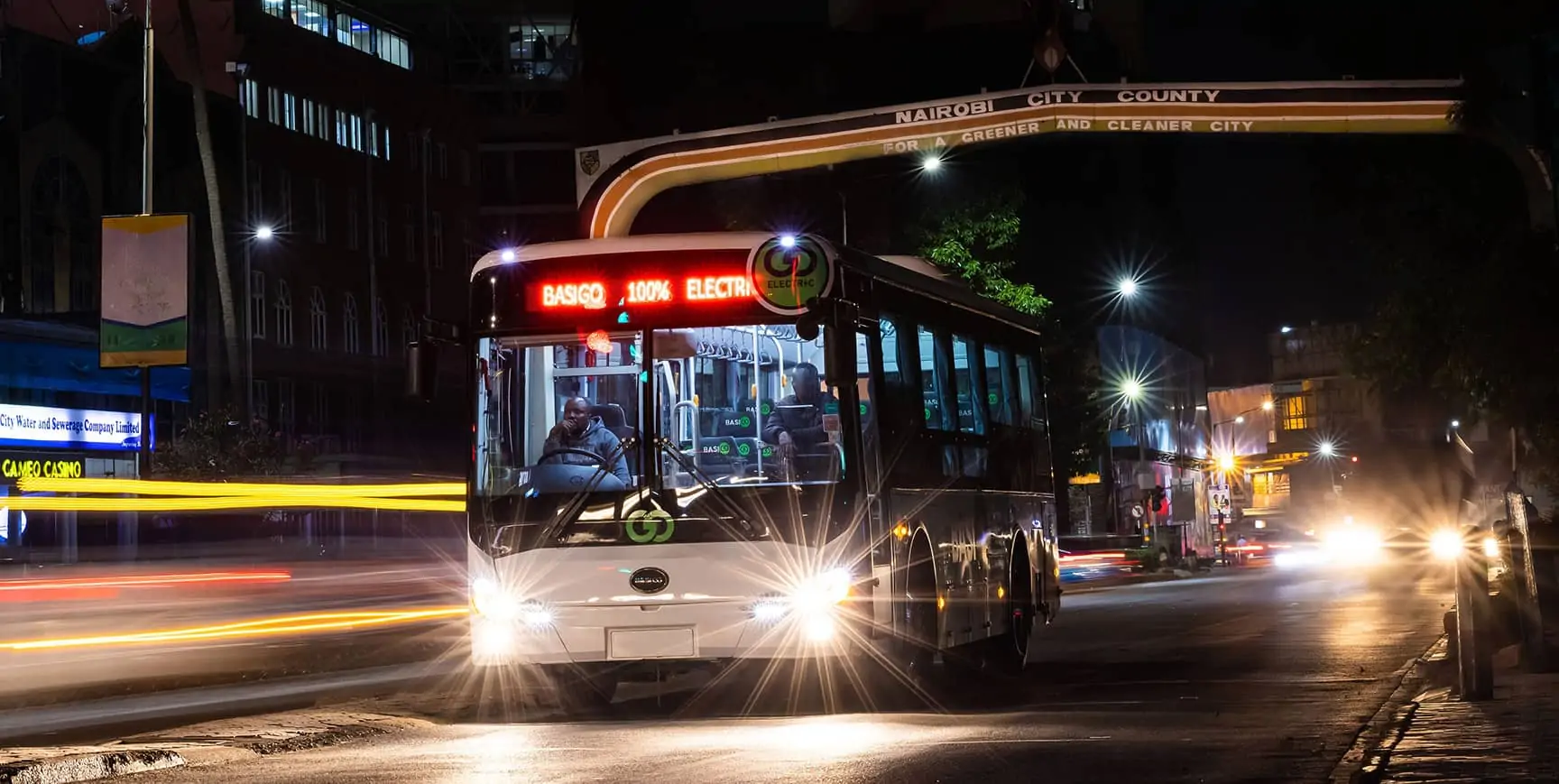
Image of a bus riding in the night

Our investment in BasiGo is helping Kenya and Rwanda switch to electric buses, cutting carbon emissions and making city travel safer.

Kenya’s transport sector accounts for 13 per cent of the country’s total greenhouse gas emissions, and Nairobi’s 20,000 diesel buses are a major contributor. Diesel buses in Nairobi are often poorly maintained, polluting and unsafe, making electric alternatives highly attractive to both commuters and policymakers. But barriers such as high upfront cost, concern that e-buses are not designed to meet the needs of African transport, and a lack of charging infrastructure have historically limited uptake. As the city’s population grows and public transport demand rises, switching to e-buses is essential for cutting pollution and supporting sustainable urban transport.

In 2023, we committed a £4 million loan to BasiGo, a pioneering electric mass transit company with a ‘pay-as-you-drive’ leasing model. By March 2025, its e-bus fleet had expanded from 19 to 55, helping to avoid around 1,600 tonnes of CO₂ emissions that diesel buses would have produced, while also reducing other harmful pollutants. The transition to electric buses has also improved the commuting experience for customers, while operator earnings increased by at least 20 per cent.

After demonstrating e-bus leasing was a viable business model in Kenya, BasiGo expanded into Rwanda, launching a four-bus pilot in Kigali. We provided a follow-on £6 million loan in 2024, helping BasiGo to scale up its Rwanda fleet and charging infrastructure. The Rwandan Government has set a target of 20 per cent electric buses by 2030, making businesses like BasiGo essential in driving the clean energy transition.

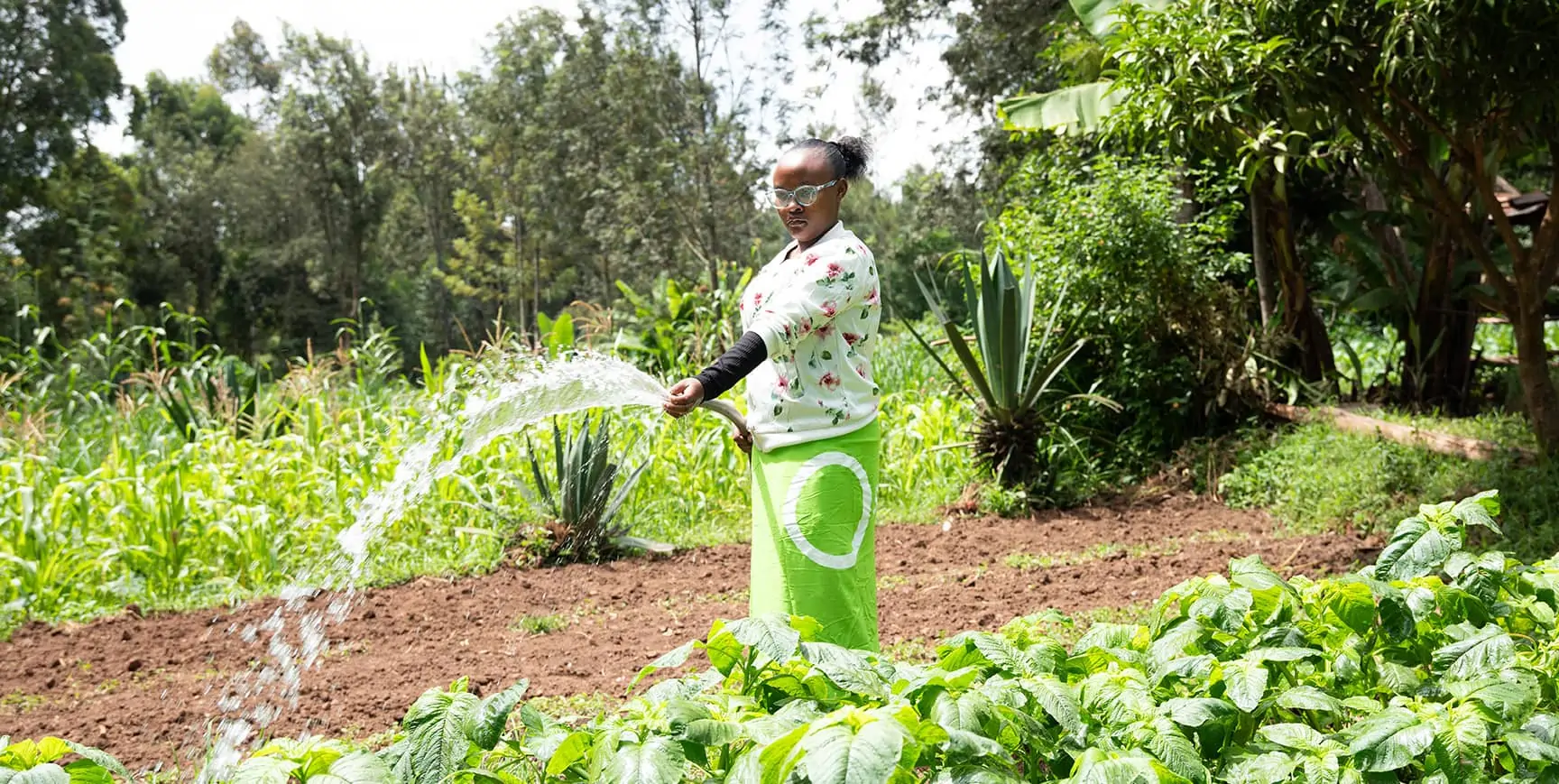
Image of a woman watering plants with a hosepipe

We are backing SunCulture’s solar powered irrigation systems with a second investment.

Sunshine is vital for farmers all over the world. But in parts of Africa, the threat of lack of rainfall and, in severe cases, drought, can ruin crops and destroy communities in the space of a few seasons. SunCulture puts the power of the sun to use by operating irrigation systems that maximise the benefit of small amounts of water.

SunCulture’s technology is significantly cheaper than fossil fuel powered alternatives, meaning smallholder farmers can increase climate resilience and boost their incomes while reducing their carbon footprint.

Over 55,000 smallholder farmers now use SunCulture’s irrigation systems across sub-Saharan Africa, with 96 per cent reporting a better quality of life as a result.

We followed up our £1.7 million investment in 2023 with a commitment of £3.1 million in 2024. Our investment will enable SunCulture to improve the affordability of its water pumps by pre-financing the carbon credits that would be generated from its use by smallholder farmers.

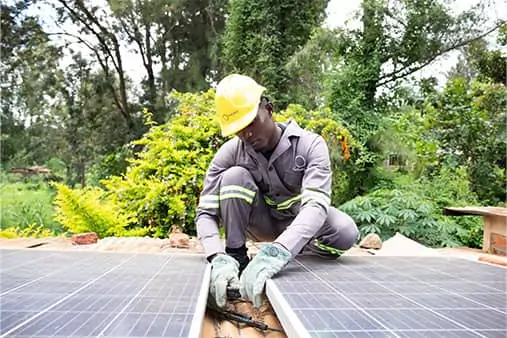
Caption: SunCulture engineers install solar panels to power farmers’ irrigation systems with clean energy.

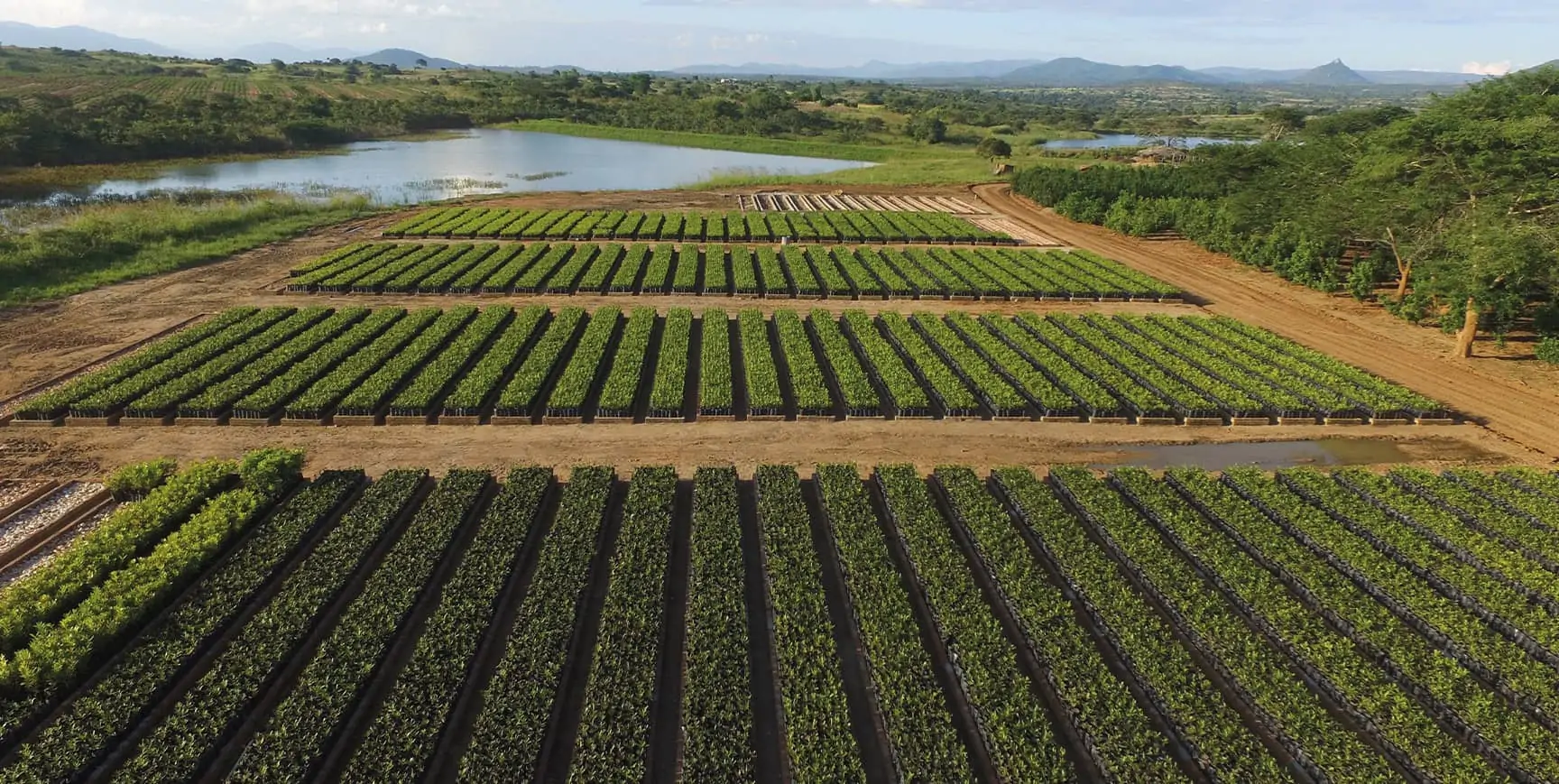
Image of a vast field of plants

Our commitment to AgDevCo is helping transform Africa’s agriculture sector and improve livelihoods at scale.

Africa faces several complex and urgent challenges in its agricultural sector, including limited financing, climate vulnerabilities, low market access and underdeveloped value chains.

AgDevCo is a social impact investor focused on agriculture projects in Africa. Every dollar it has invested has already generated $2.50 of higher incomes for rural and peri-urban households through jobs and other income-generating opportunities. In 2023, over 2.4 million small-scale farmers, customers and traders – of which 29 per cent were women – benefited from markets and income opportunities linked to AgDevCo’s portfolio companies, and more than 28,000 jobs were directly supported.

In 2024, alongside Swedfund and Norfund, we made a combined $85 million investment in AgDevCo. This follow-on funding, combined with a previous $50 million we invested in 2022, brings our total investment in AgDevCo to $100 million, making us the company’s largest external investor. With this investment, AgDevCo aims to increase its reach to four million farmers and support 60,000 jobs annually by 2030, boosting food security and livelihoods. It also aims to increase climate resilience by supporting farmers to adopt climate-smart and regenerative agricultural practices.

Through our technical assistance facility, BII Plus, we’re also supporting AgDevCo’s efforts to boost smallholder farmer development, gender equality and climate resilience across their portfolio. In 2024 this included supporting Kenyan firms Evergreen Avocadoes and Agventure Limited to adopt regenerative agriculture – enhancing soil health, biodiversity and ecosystem restoration. Activities ranged from soil sampling and carbon stock assessments, to composting feasibility studies and staff training.


Image of a power pylon silhouetted against a sunset

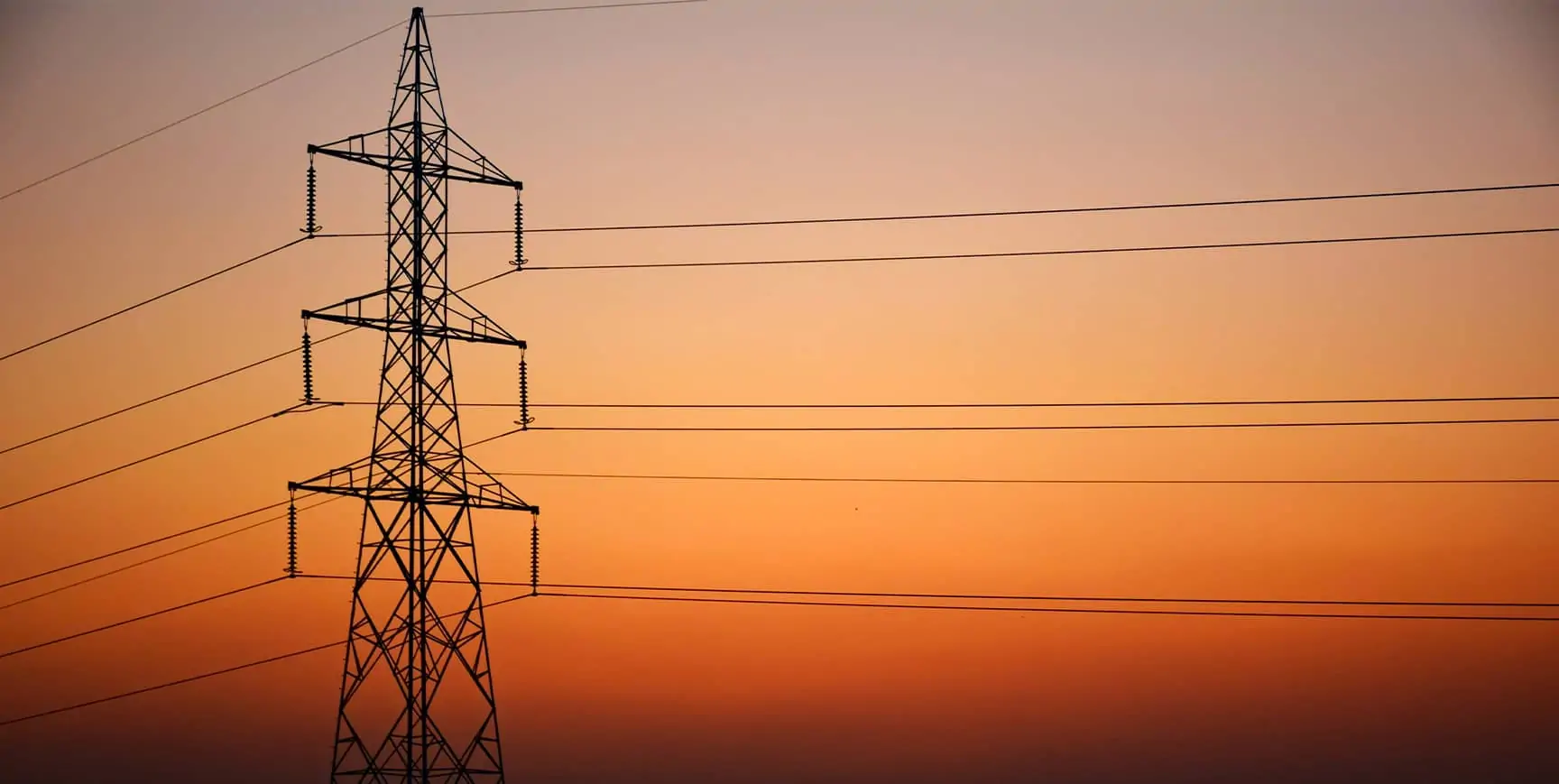
This innovative partnership is developing transmission and battery storage projects across India.


Significant investment is needed for India to meet its ambitious climate targets by 2070, as the country balances rapid economic growth with the need to cut emissions. Achieving this goal requires a massive scale-up of renewable energy generation, but just as crucial is the infrastructure enabling clean power to reach homes and businesses.

At the same time, as demand rises and the power mix shifts towards renewables, India’s energy transition is being held back by a lack of transmission capacity. To meet its climate and energy goals, India needs to build 170,000 circuit kilometres of new transmission lines and 47GW of battery storage over the next eight years.

In 2024, in partnership with Norfund and IndiGrid, we launched EnerGrid, a $300 million platform to develop greenfield transmission and standalone battery energy storage system projects in India. IndiGrid brings its home-grown understanding of the Indian power transmission sector to the partnership, and BII and Norfund provide access to capital. Each partner is committing around $100 million, with the aim of supporting projects worth up to $1.2 billion. The first phase is already under way, with BII and Norfund investing in three existing IndiGrid transmission projects. After the projects become operational, they will be fully acquired by IndiGrid at a pre-agreed enterprise value, helping to accelerate India’s progress towards net zero.


Caption – India needs to build 170,000 circuit kilometres of new transmission lines over the next eight years.

Image of a field of wind turbines

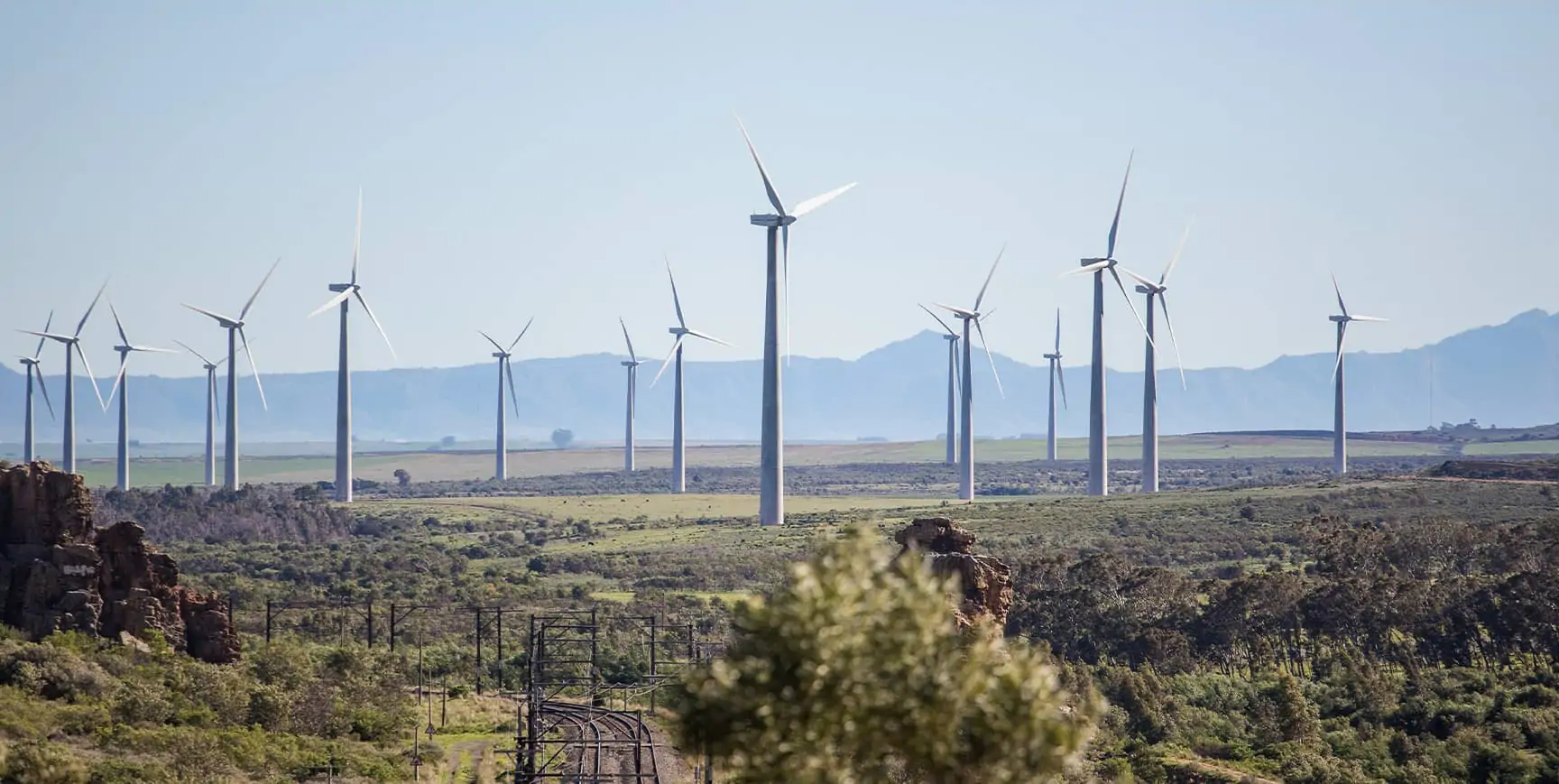
Our innovative funding approach is supporting independent sustainable energy trading while giving South Africa more reliable electricity.


Electricity generation in South Africa is unreliable due to ageing coal plants and lack of power generation infrastructure, and rising demand is putting pressure on an already fragile system. However, recent regulatory changes mean that privately-owned companies can sell electricity directly to commercial customers. The process is called ‘wheeling’. It means the electricity is physically transmitted through the national grid (managed by the state-owned utility, Eskom), but the energy itself is bought and sold through separate contracts.

In 2024, we announced a partnership with GuarantCo, part of the Private Infrastructure Development Group, to provide $50 million each of guaranteed finance to Etana Energy, a South African energy trading company. Etana will use the funding to buy clean energy from independent power producers (IPPs), giving them the confidence to launch new renewable energy projects with the reassurance that their electricity will be sold to businesses needing a reliable or sustainable energy supply. The guarantee facility will help add around 500MW of competitively priced renewable energy (wind and solar) to South Africa’s grid over the next few years.

The $100 million is expected to unlock an estimated $500 million of new renewable energy projects. It will ease pressure on the national grid and boost South Africa’s green energy transition, underlining the UK’s support for South Africa’s Just Energy Transition Partnership.

Image of a woman adjusting a sowing machine

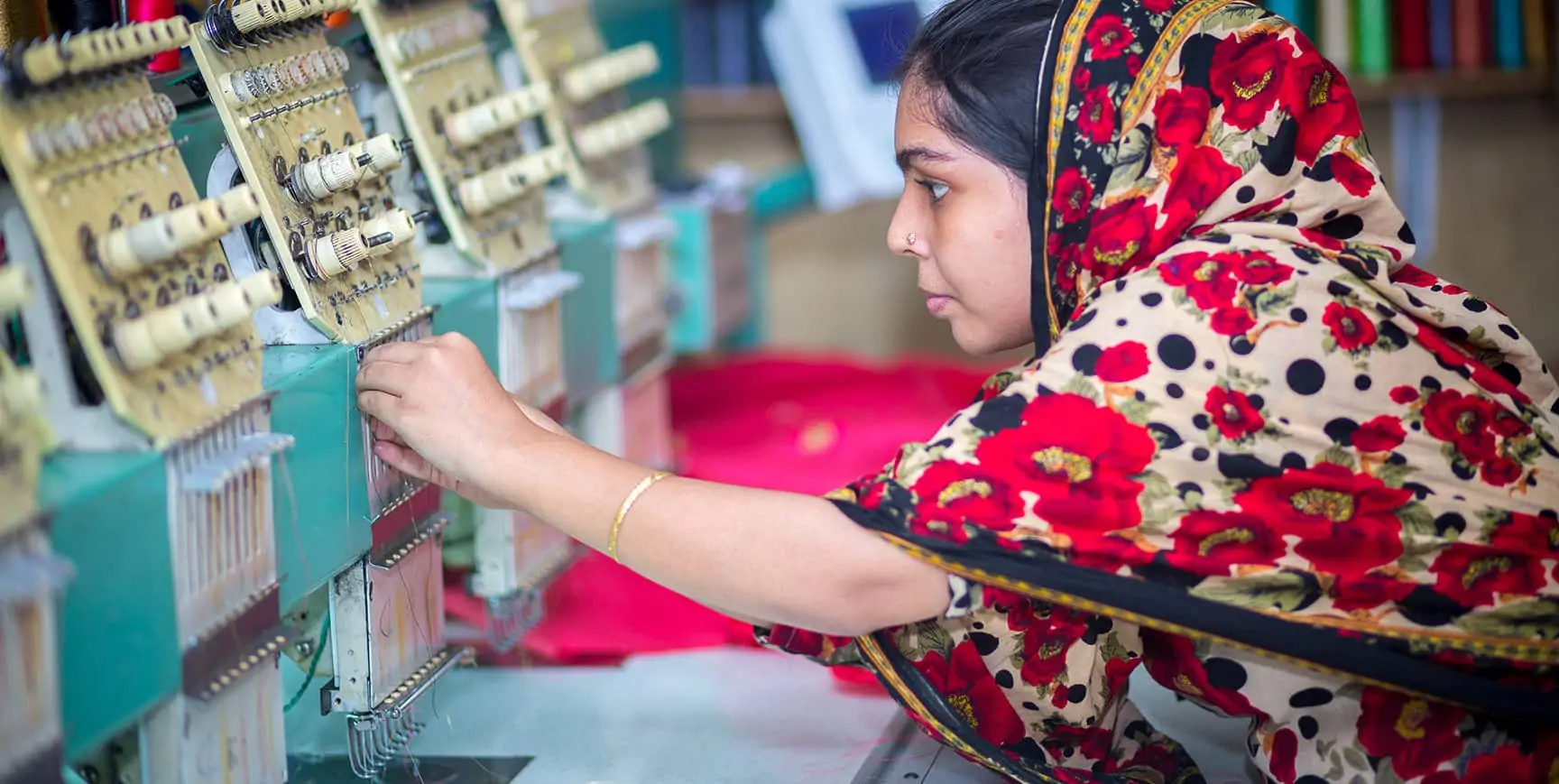
Our lending is expanding access to finance for up to 3,500 MSMEs and women-led businesses in Bangladesh.


There are around 10 million micro, small and medium-sized enterprises (MSMEs) in Bangladesh. These MSMEs employ 80 per cent of the population and are responsible for half of the country’s industrial output. The Central Bank of Bangladesh views MSMEs as indispensable for overall economic development and has identified women entrepreneurs as crucial for sustainable economic growth and poverty reduction. However, access to finance remains a major challenge, with only 20 per cent of total loans in the country going to SMEs, including women-owned enterprises.

In 2024, we announced a £40 million loan to BRAC Bank, which is sponsored by BRAC NGO, a leading non-government organisation with a mandate for impact investment and financial inclusion. BRAC Bank has served 1.5 million MSMEs since 2001. Half of our loan will be directed to MSMEs and the other half will target women entrepreneurs – mostly first-time borrowers – that qualify under the 2X criteria. In total, the loan is expected to help finance up to 3,500 MSMEs and women-led businesses in Bangladesh via BRAC Bank’s extensive local network.

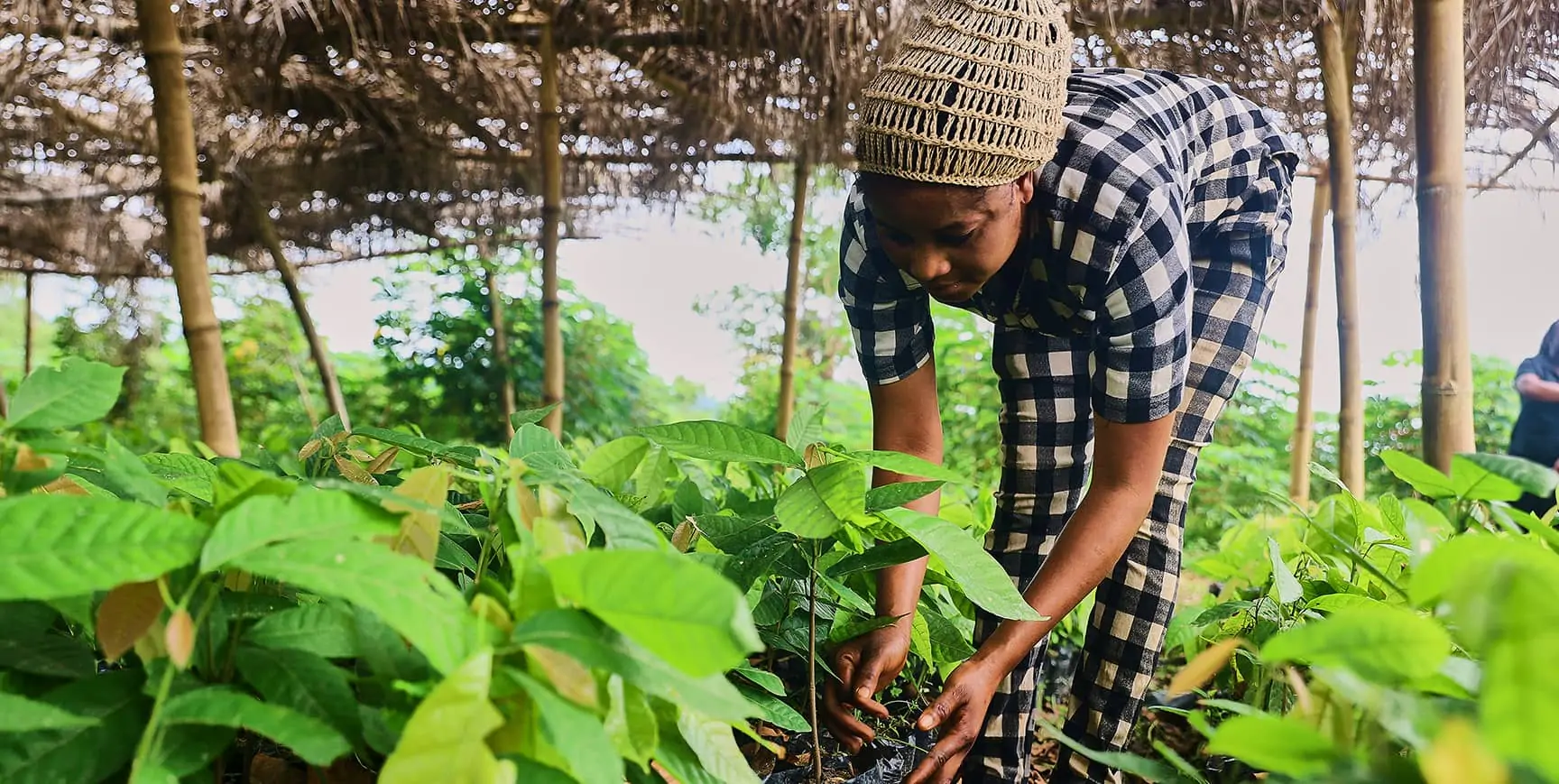
Image of a woman picking cocoa on a farm

Backing Johnvents encourages sustainable cocoa sourcing that supports smallholder farmers in Nigeria.


Cocoa farmers in Nigeria earn very low incomes, with 86 per cent living on less than $5.50 per day. Many rely on small plots of land and lack the support to boost yields or secure fairer prices. Improving their incomes would help reduce rural poverty while also ensuring the long-term sustainability of cocoa production, which plays a key role in Nigeria’s economy and the global chocolate supply chain.

Johnvents Industries Limited is one of Nigeria’s largest cocoa processors, and supplies premium cocoa products across Africa and Europe. The company is committed to sustainability by educating farmers, improving supply practices and offering fair prices that support smallholder farmers.

In 2024, we made a £31.4 million long-term loan to Johnvents to support the refurbishment of its second cocoa processing factory in Ile-Oluji, Ondo State. The investment aims to increase production from 13,000 to 30,000 metric tonnes of cocoa per year and enhance the company’s global export capabilities. It will help Johnvents buy most of its cocoa from local farmer co-operatives certified by the Rainforest Alliance, directly supporting smallholder farmers. It will also move the company closer to its goal of using only traceable cocoa by 2027, with at least 90 per cent certified, strengthening its commitment to sustainable sourcing. Finally, the investment demonstrates our support for Black-owned and led businesses in Africa, which often struggle to get the funding they need to grow.