Image of a woman smiling to the distance whilst holding a smartphone

Our investment helped TymeBank apply its digital-first model to deliver affordable financial services to 10 million underserved customers.

Financial inclusion in South Africa remains a challenge. According to the World Bank’s Global Findex Database 2021, while 85 per cent of adults in South Africa have a bank account, most use them rarely, and don’t have access to essential services such as credit, insurance or savings products. The remaining 15 per cent, an estimated 7 million adults, are unbanked.

TymeBank launched in South Africa and has a growing presence in emerging markets. Instead of physical branches, it relies on a banking app. It has a partnership with retail chains where customers open their accounts through Tyme’s proprietary, in-store kiosk and can deposit and withdraw cash. Tyme’s business model means it can offer its customers lower fees, higher savings rates and lower interest rates compared with other banks. According to a customer survey, around 70 per cent reported an increase in their quality of life.

We were an early investor in the company back in 2021, and our investment helped the bank to grow its customer base and scale its banking and lending operations. To date, Tyme has issued affordable bank accounts to more than 10 million people in South Africa – most of whom had no access to high-quality financial services before. Following the success of the model in South Africa, Tyme has already replicated the same in the Philippines, with over 5 million customers.

In 2024, the company secured a groundbreaking $250 million investment, including $150 million from NuBank, one of the world’s largest digital financial service platforms. This will help transform TymeBank into a truly global digital bank.


Caption: 70% of TymeBank customers report improved quality of life.
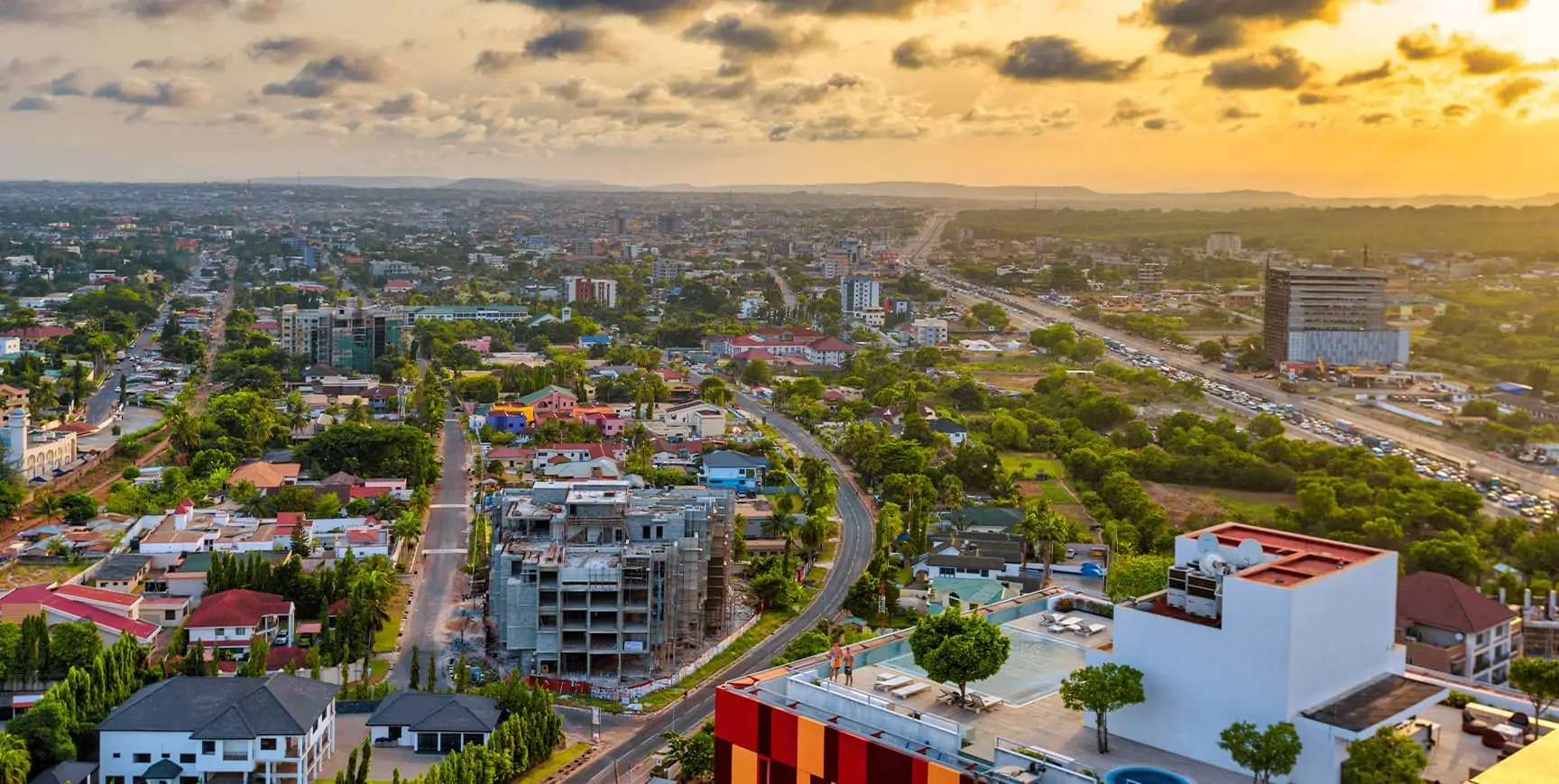
Image of a Ghanaian city skyline at sunset

GIP Ghana’s first-of-its kind flexible local currency funding is helping Ghanaian businesses to create jobs and fuel economic growth.

SMEs occupy a critical role in the Ghanaian economy, accounting for over 90 per cent of business enterprises, 60 per cent of the country’s GDP and 80 per cent of all employment. However, despite their importance to job creation and economic growth, SMEs in Ghana struggle to access the funding they need due to high interest rates, heavy collateral requirements, inflexible repayments and short-term facilities.

Recognising that SMEs in Ghana need access to long-term growth capital and business support, in 2023, we launched Growth Investment Partners (GIP) Ghana. The platform is the first of its kind to provide long-term flexible capital, primarily in local currency, to SMEs in Ghana.

In 2024, GIP Ghana began making investments. The first was into a company called eServices Africa Limited (eSAL). The investment will support eSAL’s growth and its global delivery of cost-effective and high-quality outsourcing solutions for businesses. The second investment was in a company called Fido, a digital lender to low-income workers, micro-entrepreneurs and businesses with limited access to traditional financial services.

In its first year of operation, GIP Ghana partnered with a total of six SMEs across different sectors, offering a vital source of capital in a tough economic environment. The platform’s early impact shows the power of patient, tailored finance in unlocking SME growth and deepening their contribution to Ghana’s development.

The Ghana Investment Support Programme, funded by our technical assistance facility, BII Plus, continues to support SMEs in Ghana to access the capital they need to grow. In 2024, the programme helped five SMEs – ranging from manufacturing to agribusinesses – to receive investment.

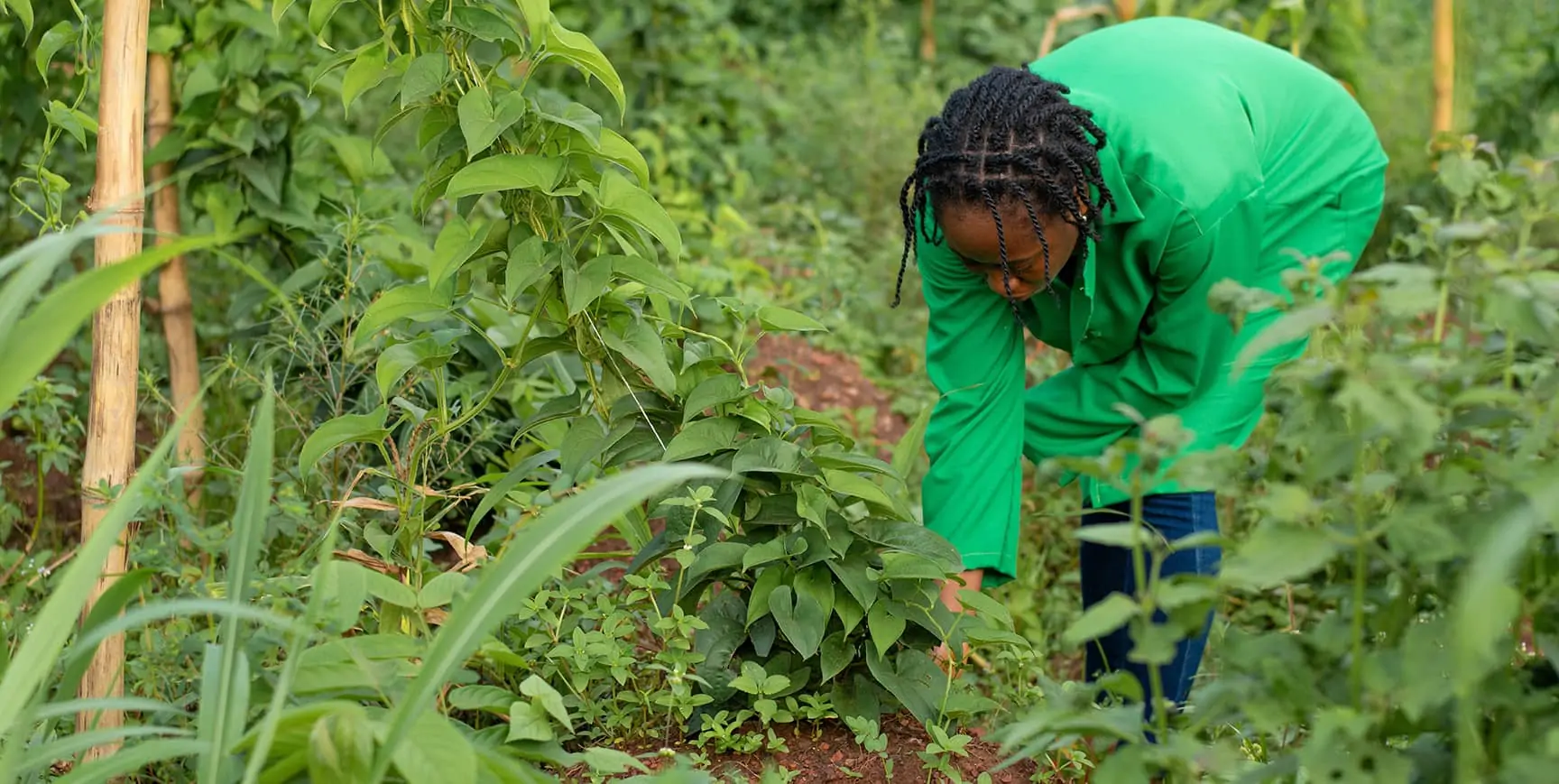
Image of woman picking plants in a forest

Our investment in InsuResilience Fund II is expanding access to climate risk insurance and helping millions of vulnerable people.


The UN estimates the total cost of climate adaptation and resilience will hit $330 billion every year by 2030, making private sector investment vital. At the same time, climate risk insurance provides fast financial support after extreme weather events, helping people recover and rebuild. Alongside other adaptation measures, it’s critical for protecting livelihoods and boosting resilience in vulnerable regions. But climate risk insurance can be hard to access, complicated to design and expensive, limiting its availability in the areas where it is needed most.

In 2024, we invested £12 million in Blue Orchard’s InsuResilience Fund II, which in turn invests in climate risk insurance companies operating in emerging markets. The fund plans to establish a robust ecosystem for improving access to climate insurance in emerging markets by backing new initiatives and maximising the distribution of existing products and services.

One example portfolio company is Fido Credit, a digital financial services platform offering credit to individuals and micro, small and medium-sized enterprises (MSMEs) in Ghana and Uganda. With the support of the fund, Fido will expand its insurance offering to include products that cover climate-related risk. It will focus on property coverage for individuals and flood coverage for small businesses.

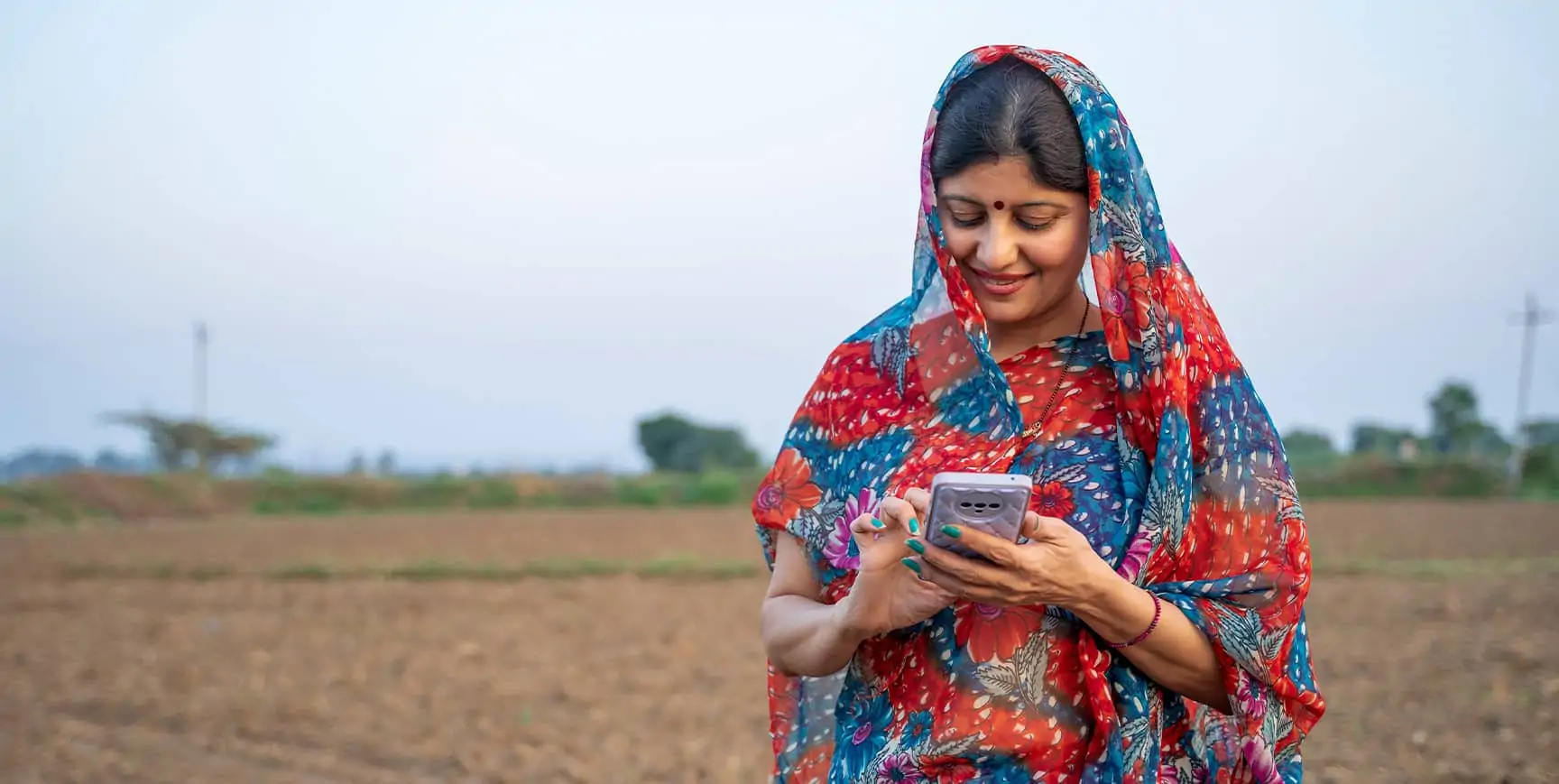
Image of a woman smiling at smartphone in a field

Our investment is helping women entrepreneurs in India get the credit needed to scale their operations and achieve sustainable growth.

In India, only 11 per cent of micro and small enterprises (MSEs) have access to credit, as most lack proper documentation and security. At the same time, women in particular struggle to get loans because they lack the collateral and credit history banks usually ask for – meaning banks view them as ‘risky’ borrowers. This is a misconception, as the International Finance Corporation confirms women and women-owned businesses have fewer non-performing loans than men. This suggests that more financial institutions should tailor products and services to women’s customer segments.

To help overcome these biases, and increase the level of financing made available to women and MSEs, we take part in risk-sharing and credit guarantee programmes that encourage more lending to women-led and owned businesses. In 2024, we made a £7 million investment in a guarantee programme managed by FinReach Solutions, a woman-founded company facilitating credit to MSEs in India.

Through our credit guarantee programme, we partially guarantee the repayment of loans extended to MSEs that would otherwise find getting credit difficult, many of which are owned and run by women. As a result, more women entrepreneurs can get the financing they need to scale their operations and achieve sustainable growth. Our guarantee programme through FinReach is expected to help guarantee a lending pool of $20 million, which is expected to reach around 6,000 MSEs and benefit 30,000 employees.

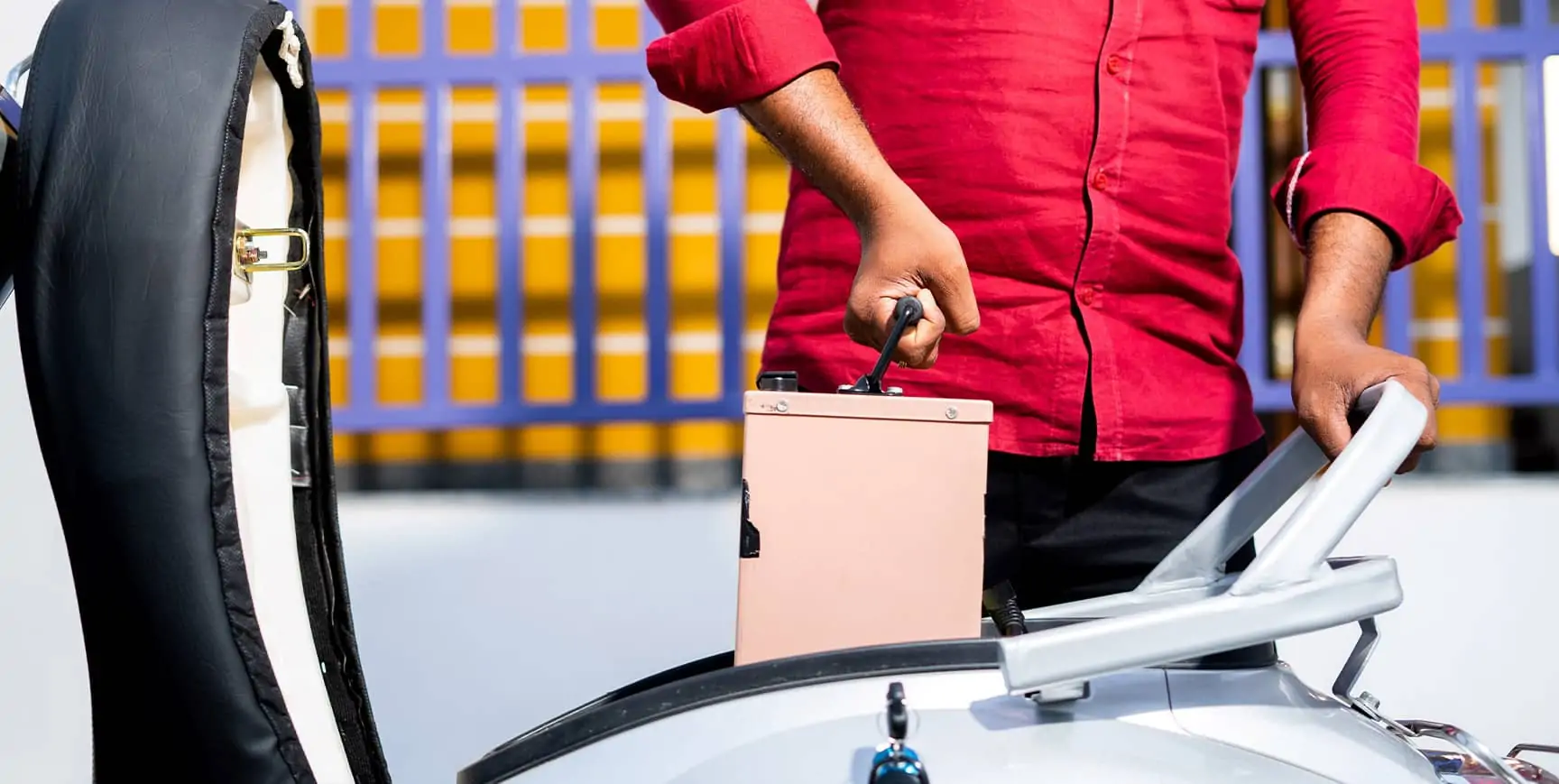
Image of man picking up gas cannister

With our support, Loadshare is reshaping India’s logistics sector, by cutting emissions and creating green jobs.


‘Last-mile’ logistics is the final step in delivering a product to the customer, usually from a local hub to their home or business. India’s last-mile logistics sector has grown rapidly in recent years, driven by e-commerce. But last-mile deliveries make up an increasingly large share of total CO₂ emissions from major e-commerce firms.

Loadshare uses technology to create a nationwide network connecting small and medium logistics firms with local suppliers and rural customers. In 2024, we provided Loadshare with a £4 million loan to scale up its pilot project to collect real-world data on electric vehicle (EV) performance and driver earnings. EVs eliminate CO₂ emissions and have lower running costs. The company’s groundbreaking model uses India’s existing EV battery-swapping network to eliminate the upfront cost of buying batteries, reducing the cost of an electric two-wheeler from 100,000 to 50,000 rupees. While EV riders may travel more slowly and spend time swapping batteries, their running costs can be as low as 1.25 rupees per kilometre, about half that of standard vehicles, boosting overall profits.

Loadshare is proving the commercial viability of EV fleets through real-time data on vehicle and driver profitability, along with successful pilot results. This will boost lender confidence and unlock broader private sector investment in India’s sustainable logistics sector.

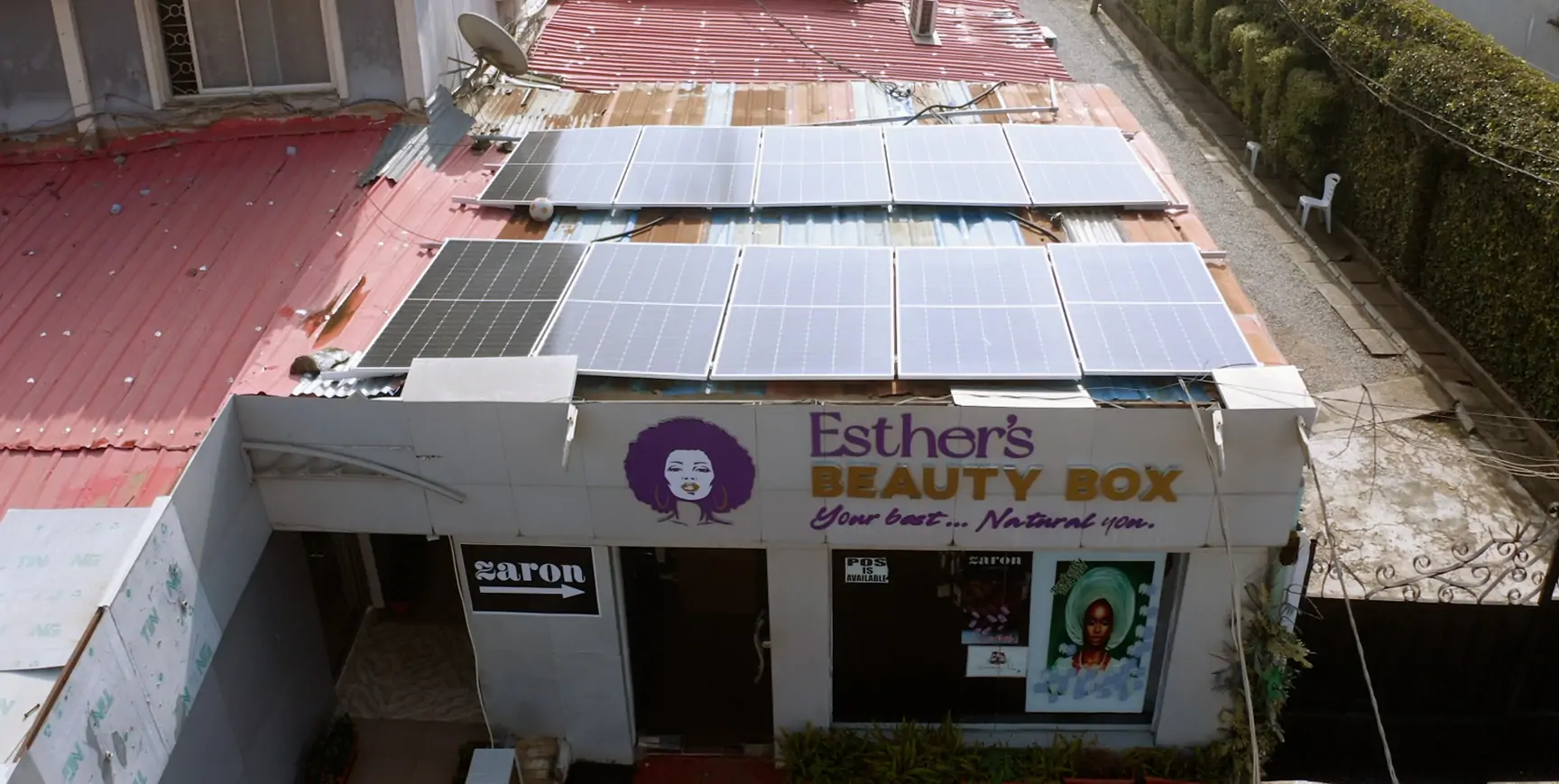
Image of Esther's Beauty Box roof

Our investment is reducing Nigeria’s reliance on diesel for electricity, by expanding access to solar energy for SMEs and households.


According to the International Energy Agency (IEA), Nigeria experiences more power outages than any other country, and its electricity generation ranks among the lowest globally. For many Nigerian households and businesses, diesel generators have long been the default backup, but they are expensive, unreliable and polluting. Solar power offers a cleaner, more affordable alternative that can support climate goals while meeting Nigeria’s urgent need for dependable energy.

In 2024, we committed £2 million to Arnergy Solar Limited, a Nigerian company delivering solar solutions to homes and businesses. Founded in 2013, Arnergy already serves a growing customer base, over half of which are SMEs. The co-investment, made alongside Cardinal Stone Advisors, will help scale up both Arnergy’s solar home systems (SHS) and commercial and industrial (C&I) installations across the country.

The project is expected to grow the number of Arnergy solar systems from 568 to nearly 13,000 by 2029. This expansion will help SMEs reduce their energy costs, improve productivity and operate more reliably. The environmental impact is also significant, with the project expected to avoid over 267,000 tonnes of CO₂ emissions by 2029, supporting Nigeria’s shift to a more sustainable energy future.

Caption: Arnergy is supplying businesses across Nigeria with clean, reliable power.

Image of electrician working on an electrical grid

Since we set up Gridworks, it’s pioneered several projects that deliver clean electricity to African businesses and communities.

Unreliable electricity is one of the biggest barriers to business growth in Africa. We set up Gridworks in 2019 to develop the networks that carry electricity to homes, factories and businesses in Africa, providing African businesses with the power needed to support sustainable economic growth.

In 2024, Gridworks partnered with the Mozambique Government and national utility, EDM, to deliver two phases of the Chimuara–Nacala transmission line. The $450 million project will build 460km of transmission lines and two new substations to connect the centre and north of Mozambique and deliver reliable electricity to industries in key growth zones.

In Uganda, Gridworks is developing the $100 million Gamani Transmission project which will add nearly 80km of high-voltage lines and two new substations, enabling up to 250MW of clean energy to reach the grid from the Mount Elgon region.

And in Burundi, investee company Anzana Electric Group is leading one of Africa’s most ambitious rural electrification efforts. The Weza Power project aims to bring clean, reliable electricity to 9 million people, or two-thirds of the population. Anzana is also developing two hydropower plants that will increase Burundi’s total energy generation by 10 per cent and begin supplying the grid in 2025 and 2027.

Together, these projects demonstrate that Gridworks is helping to build the energy needed to power Africa’s economic future, while supporting a cleaner, more inclusive transition.

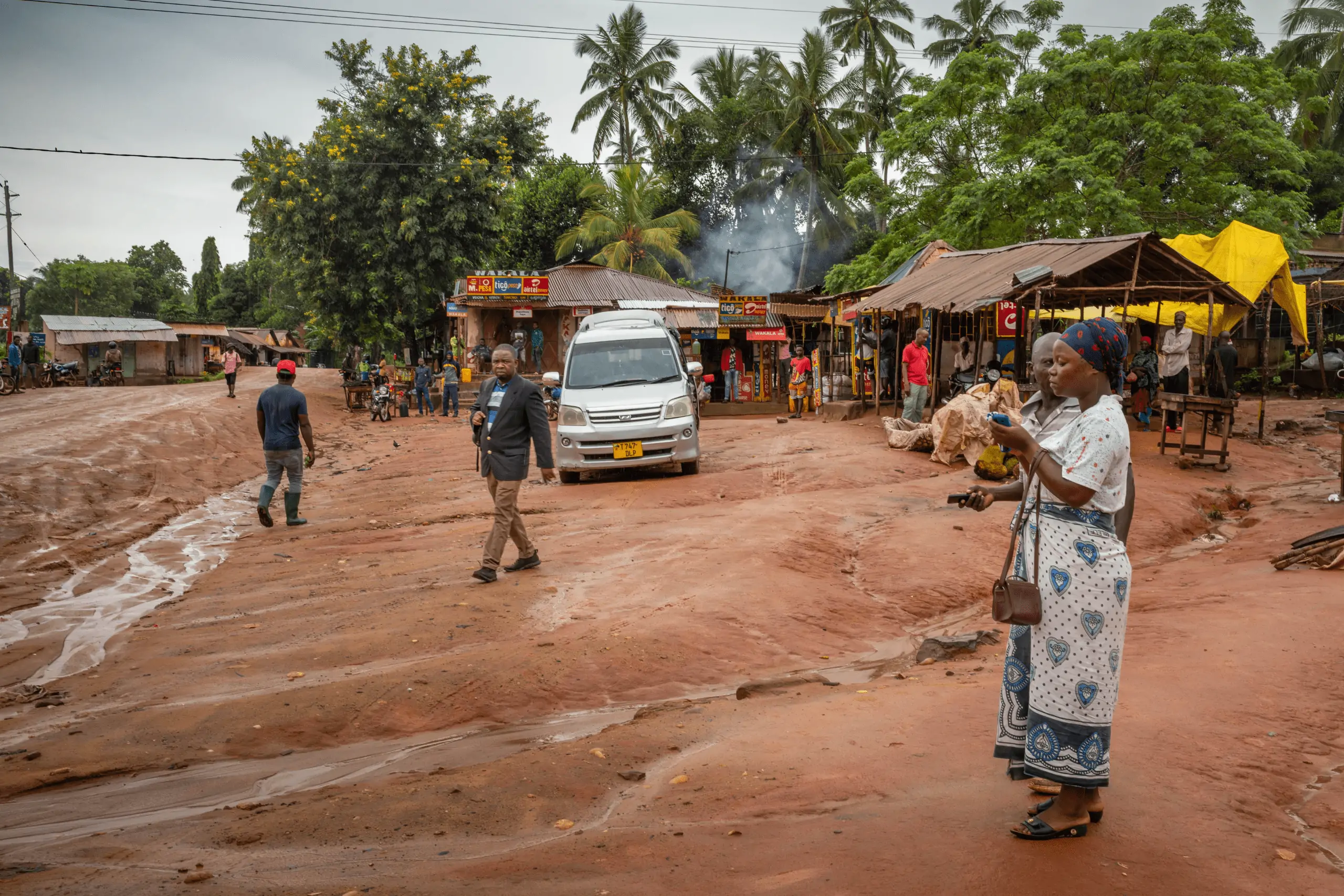
Image of a village market in Africa

Our investment is expanding Tanzania’s renewable energy supply – connecting thousands of homes and businesses to the grid for the first time.


Millions of people in Tanzania do not have access to energy. The national electrification rate in Tanzania is 48 per cent and as low as 28 per cent in rural areas. This lack of access to power greatly impacts people’s ability to access essential services and limits their life opportunities.

In 2024, we signed an agreement to provide an initial $15 million, with the potential to increase this to $25 million, to renewable energy platform Rift Valley Energy, which is owned and managed by Meridiam. The funding will support part of Rift Valley Energy’s ambitious investment and development plan for utility-scale renewable energy projects in Tanzania.

The funding will finance the installation of an additional 7.6MW of renewable energy for Tanzania’s national grid. This will provide energy to about 170,000 people per year and connect 4,000 businesses and households to the grid for the first time. Clean and affordable power will be made available to local industries, including factories that process tea, veneer and timber, and is expected to create more than 1,800 jobs. The sustainability impact will also be significant, with up to 17,000 tonnes of CO₂ emissions avoided per year by the end of 2027.

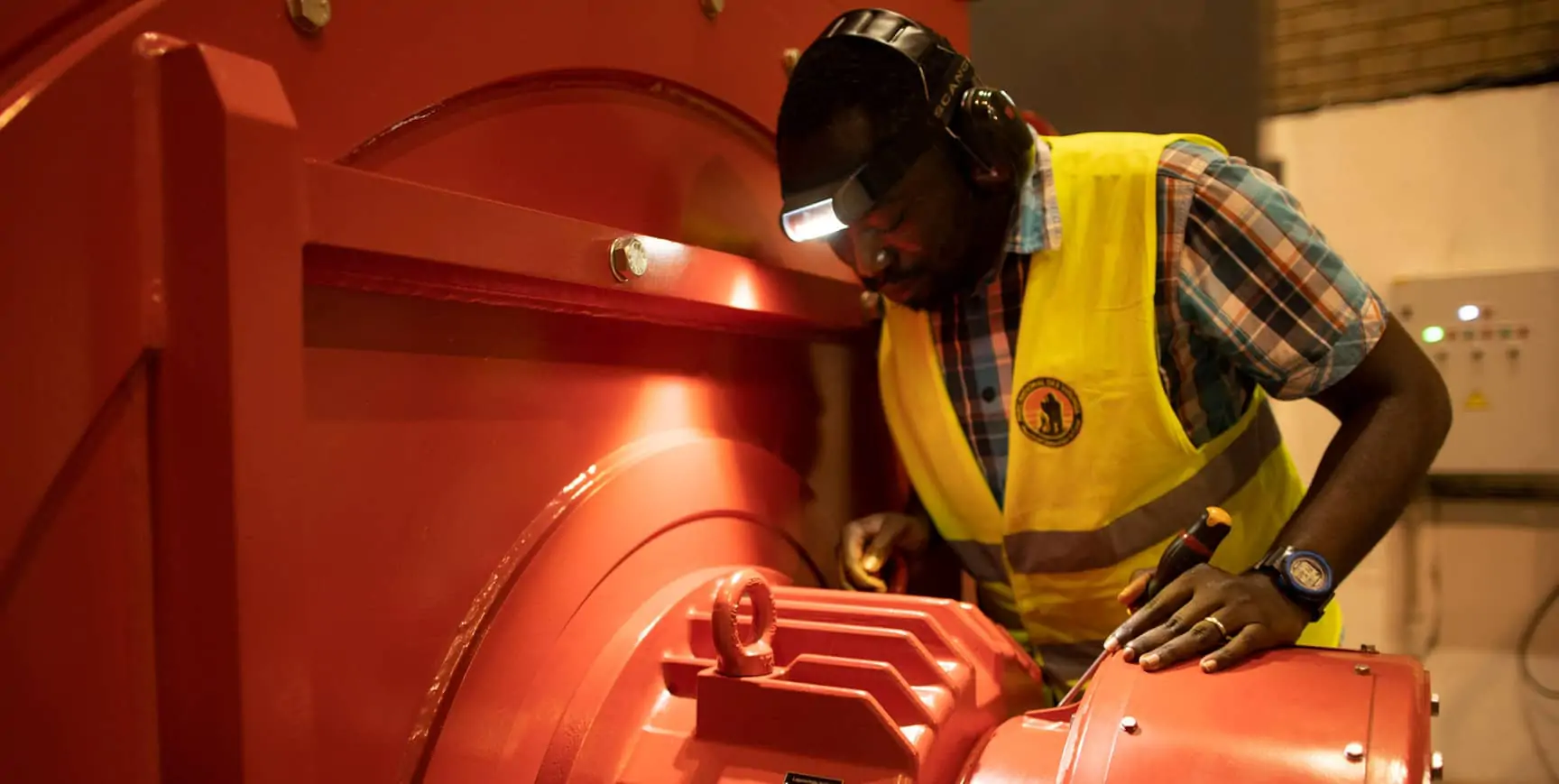
Image of engineer examining electrical machine in assembly plant

Our investment in Virunga Energies is bringing renewable electricity to Nord-Kivu, boosting business activity and reducing deforestation.

Rural communities in the Democratic Republic of Congo (DRC) live in extreme poverty. The majority of homes lack electricity. In the Nord-Kivu region, only 3 per cent of people have access to electricity, compared with 17 per cent nationally. Without proper infrastructure, local industry relies on costly diesel or charcoal burned from trees cut down illegally from the Virunga National Park.

Virunga Energies is a hydropower company in the DRC, backed by UK charity Virunga Foundation. Since 2013, it has supplied clean electricity to communities and infrastructure around the park. Between 2016 and 2022, we invested $19.3 million to expand its existing grid and build two new generation assets to supply electricity to households and SMEs in the region.

In 2024, we invested a further $3.5 million to help Virunga build new high-voltage substations. These are key to enabling the transmission of electricity from the new Rwanguba power plant to Goma, cutting energy waste and improving power quality in the region.

In 2024, we also published an evaluation which found Virunga Energies had successfully added over 25,000 new connections to the mini-grid, more than double its initial target when we invested. These include connections to many underserved communities that are likely to have had electricity for the first time.

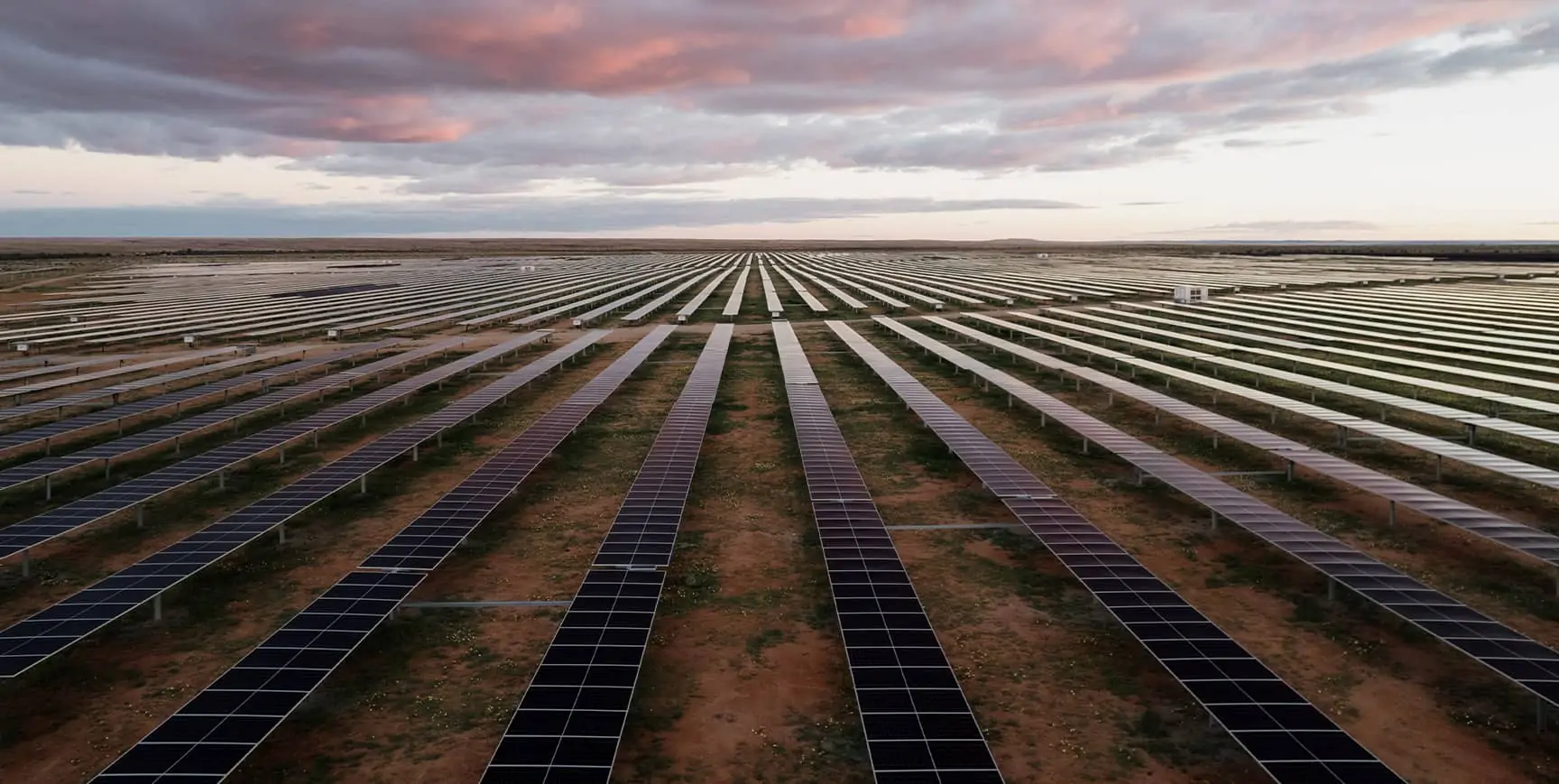
Image of a solar panel farm as the sun sets

By backing one of the world’s largest solar-battery projects we’re helping to bring reliable power to South Africa, and empowering women along the way.


South Africa still relies heavily on coal for electricity and suffers from an unreliable power supply. Power cuts averaged eight hours a day in 2022, reducing GDP growth by an estimated 2–3 per cent. Building a cleaner, more reliable energy system is now considered critical to help the country stabilise its power grid and support South Africa’s clean energy transition.

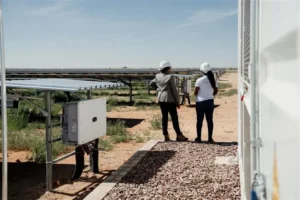
The Kenhardt Solar Project is one of the world’s largest hybrid solar and battery storage facilities. The project developers saw an opportunity not only to generate clean electricity, but to also work alongside the rural community to deliver local economic growth. We supported the financing for the project’s construction in 2023. It is now fully operational and delivers 540 megawatts of solar energy and 225 megawatts of battery storage. The battery storage facility means that the power can be regulated by grid operators to match electricity demand, overcoming intermittency challenges and improving grid stability.

Our project monitoring revealed strong female participation in the construction phase. We recently published a case study highlighting how women were widely recognised for the quality of their work, reliability and positive influence on workplace culture. Their involvement also had wider social and economic benefits, boosting local household incomes and challenging outdated perceptions about women’s roles in construction.